Grow Better Gardens with Smarter Plant Choices
Discover helpful guides on trees, hedges, fruit plants, edible plants, and beautiful landscape greenery.

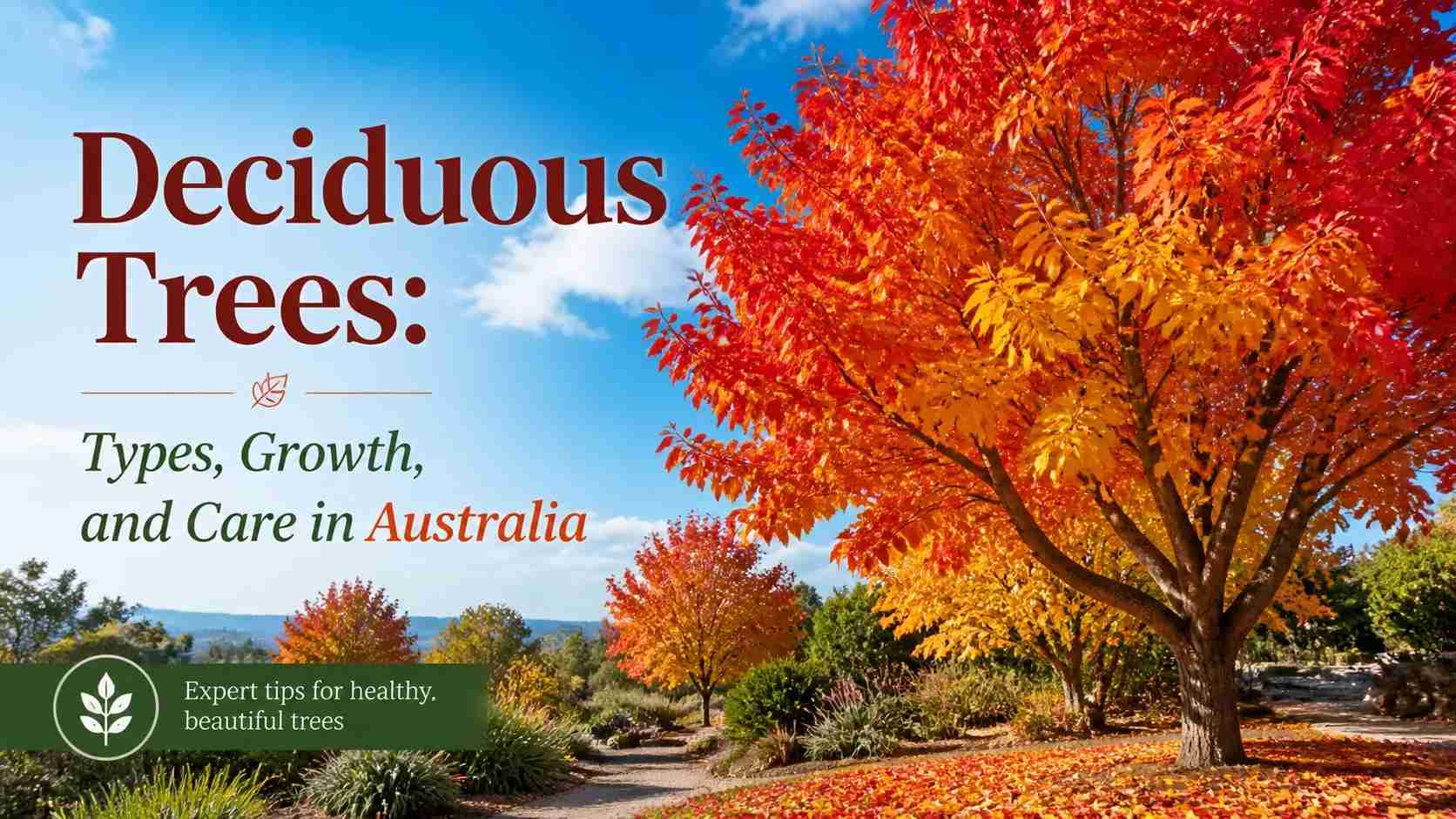
A deciduous tree is a type of tree that sheds its leaves annually, usually in response to seasonal changes. To define a deciduous tree, it is a tree that undergoes a natural cycle of leaf loss and regrowth, often during autumn and winter, allowing it to conserve water and energy. Understanding what is a deciduous tree helps in recognizing its unique adaptations to climate and environmental conditions. The deciduous trees definition emphasizes their seasonal leaf shedding, which differentiates them from evergreen trees that retain foliage year-round.
Deciduous trees play a crucial role in ecosystems. They provide habitats for numerous species of birds, insects, and mammals, and their fallen leaves enrich the soil with nutrients, promoting biodiversity. Additionally, these trees help regulate temperature and contribute to carbon sequestration, making them vital for healthy environments.
In Australia, while much of the native flora is evergreen, several deciduous trees thrive in temperate regions. These trees are not only important ecologically but are also valued for their aesthetic appeal in urban landscapes and gardens, showcasing vibrant seasonal changes.
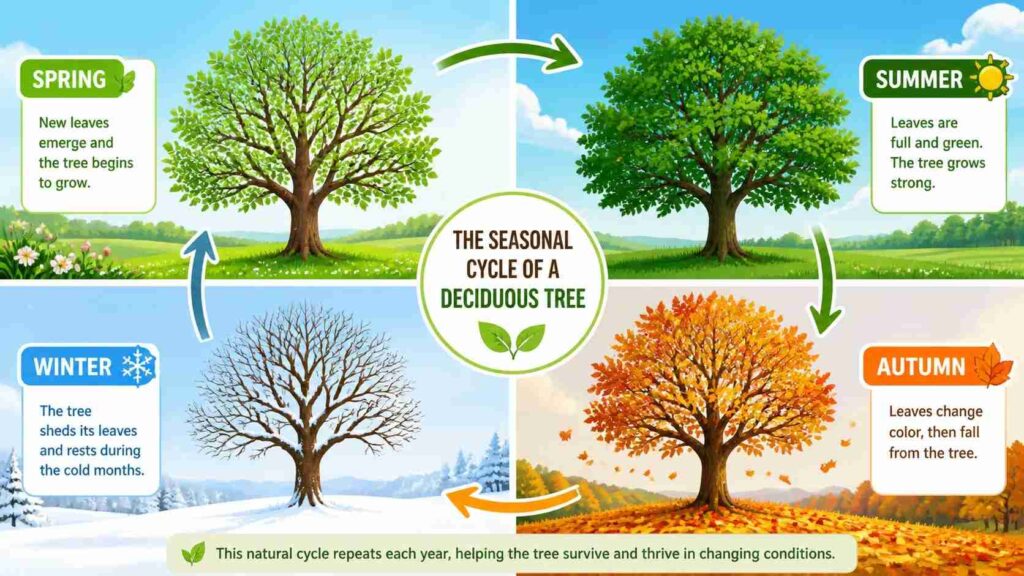
One of the most defining features of deciduous plants is their seasonal leaf shedding. Unlike evergreen trees, leafed trees in this category lose their foliage during specific times of the year, typically in autumn. This natural process allows the tree to conserve water and energy during colder or drier seasons, preparing it for new growth when conditions improve. The cycle of shedding and regrowth is essential for maintaining the health and vitality of deciduous species.
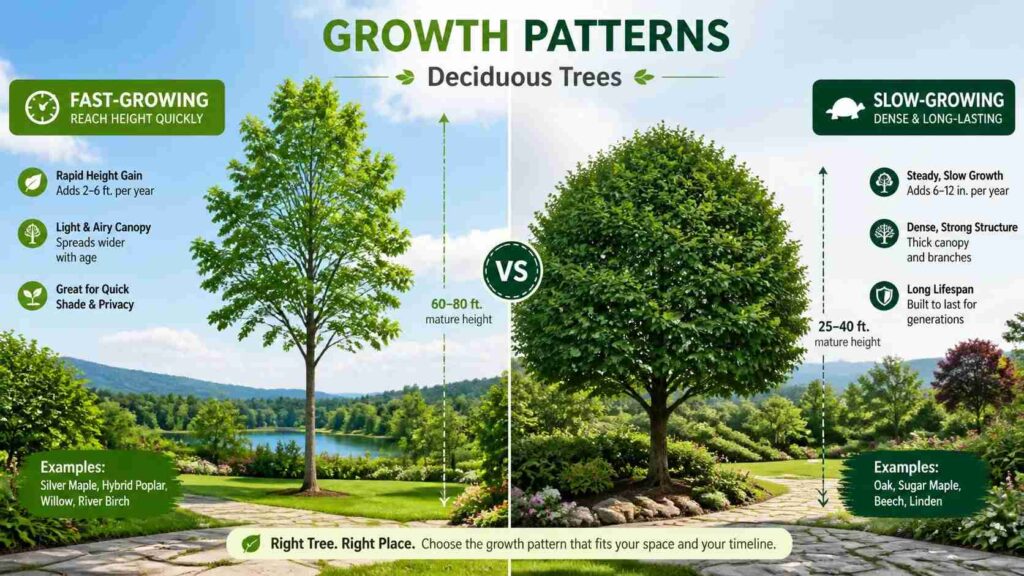
Deciduous trees vary widely in their growth rates. Some species are fast growing deciduous trees, providing quick coverage and shade, which makes them ideal for landscaping projects that require rapid results. Other deciduous trees types grow more slowly, often developing denser wood and longer lifespans. Understanding the growth pattern of a tree is important for planning gardens, urban spaces, or reforestation efforts, ensuring that the tree’s size and pace align with the intended purpose.
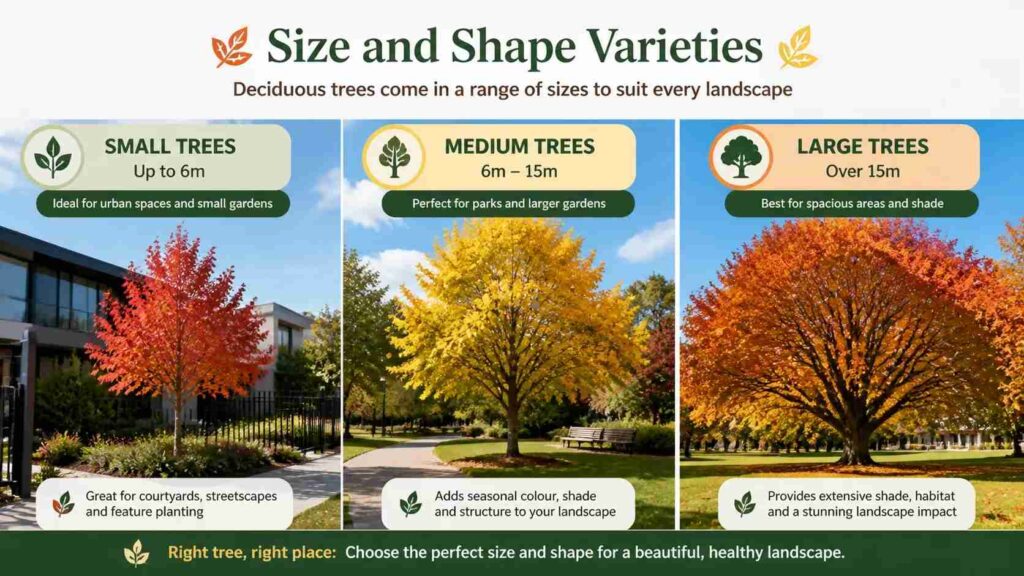
Deciduous trees come in a range of sizes and forms. Small deciduous trees are perfect for compact gardens or patios, while large deciduous trees can dominate landscapes, providing substantial shade and aesthetic appeal. In Australia, deciduous small trees in Australia are often chosen for residential areas where space is limited but seasonal interest is desired. The diversity in size and shape allows these trees to fit a variety of environmental and design needs.
There are numerous common deciduous trees found around the world, recognized for their seasonal beauty and ecological benefits. Examples deciduous trees include species such as oaks, maples, birches, and elms. These deciduous examples are widely planted in parks, streets, and gardens for their shade, vibrant autumn foliage, and ability to support wildlife. Their adaptability to various climates makes them a popular choice for both urban and rural landscapes.
Australia is home to a variety of indigenous trees of Australia that are naturally Australian native deciduous trees. Species such as the Lilly Pilly, Native Maple, and the Pencil Cedar are examples of deciduous Australian trees that shed leaves seasonally. These deciduous native Australian trees are well-adapted to local climates and soils, making them ideal for conservation efforts, ecological restoration, and sustainable landscaping projects across the country.
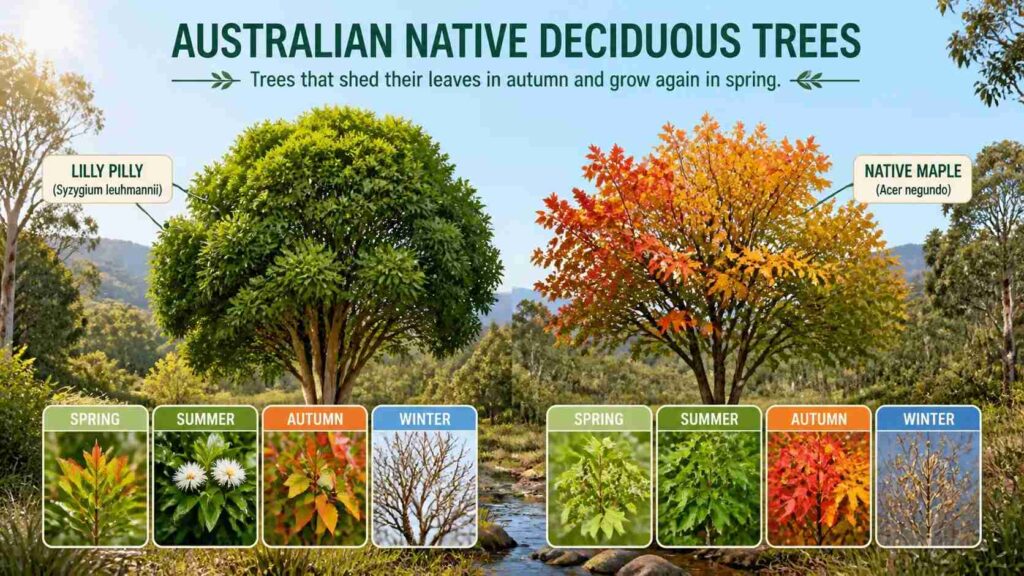
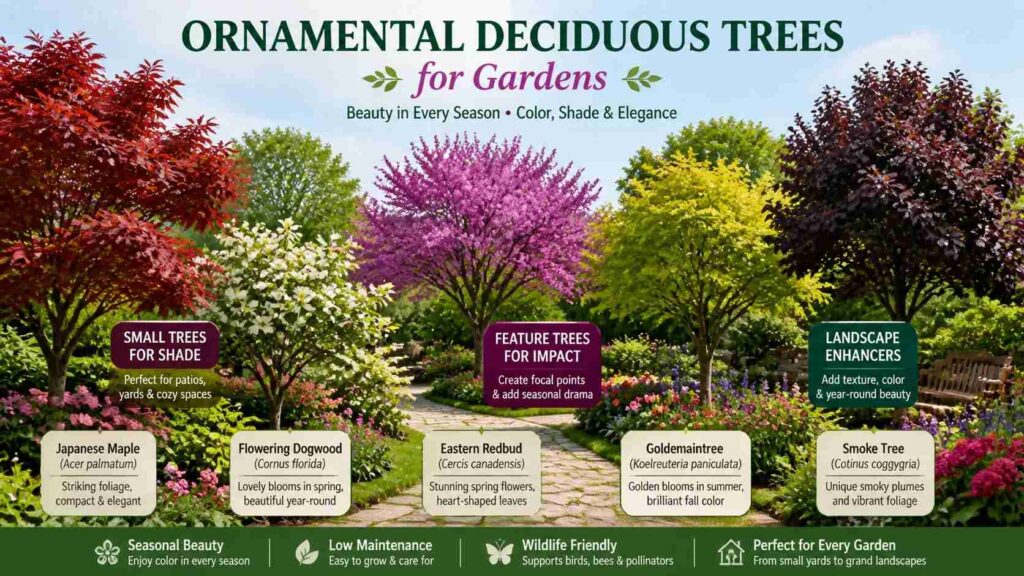
Ornamental deciduous trees are cultivated primarily for their aesthetic appeal and functional benefits in gardens and landscapes. They serve as feature trees Australia, enhancing the visual impact of outdoor spaces. Additionally, many are small trees for shade, providing a compact solution for residential areas, patios, and public spaces. Their seasonal changes, from lush green summer foliage to striking autumn colors, make them a favorite among gardeners and landscape designers.
For compact and visually striking garden designs, they are frequently combined with Dwarf Japanese Maple: Guide to Small Maple Trees, which adds seasonal colour and elegant structure to small landscapes.
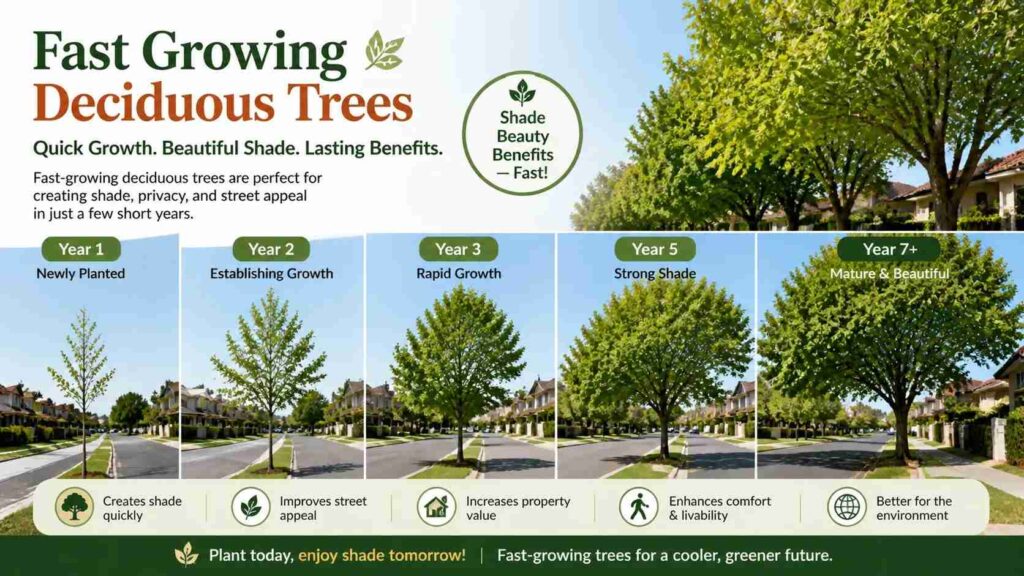
For landscaping projects that require quick results, fast growing deciduous trees are an excellent choice. In Australia, the fastest growing deciduous trees Australia offer rapid coverage and shade, making them ideal for parks, streets, and private gardens. A fast growing deciduous tree Australia can establish itself in just a few years, providing both functional and aesthetic benefits. These quick growing deciduous trees are particularly useful in creating immediate green spaces and enhancing urban environments.
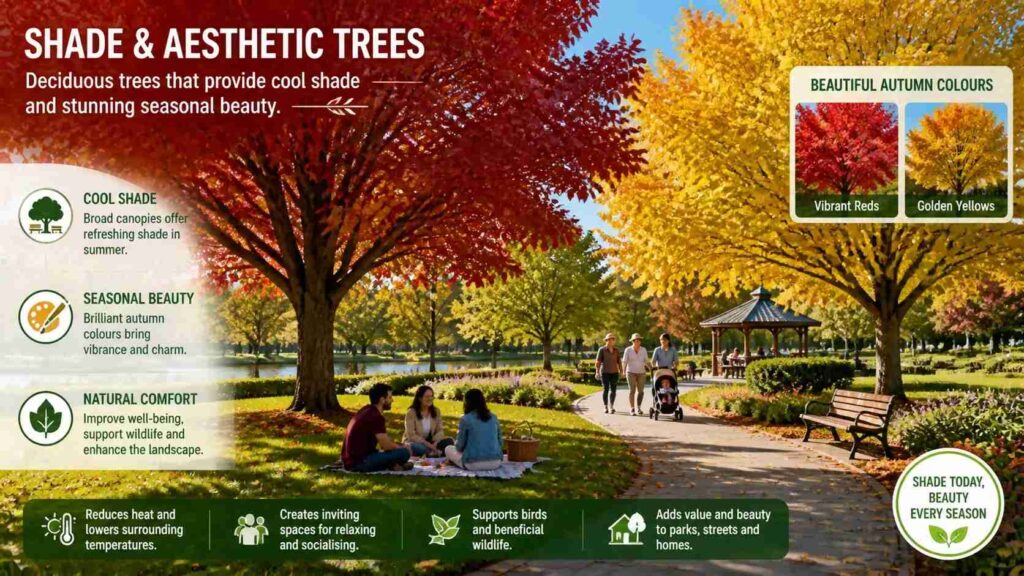
Many deciduous trees are valued for their dual purpose of providing shade and enhancing landscape beauty. Shade growing trees offer relief from the sun during hot Australian summers, while their seasonal foliage adds visual interest. Autumn trees Australia are particularly admired for their vibrant red foliage trees and yellow trees Australia, which create striking displays in public parks and private gardens. These trees are a popular choice for both functional shading and ornamental value.
In modern landscaping, they are often paired with ornamental grasses like Pennstripe Pennisetum Care & Growing Guide to create layered texture and contrast between soft grasses and structured tree forms.
Some deciduous trees also produce edible fruits, combining beauty with productivity. Deciduous fruit trees such as apples, pears, and plums are commonly planted in home gardens and orchards. These trees not only provide fresh, seasonal fruit but also contribute to the ecological diversity of an area, attracting pollinators and supporting local wildlife.
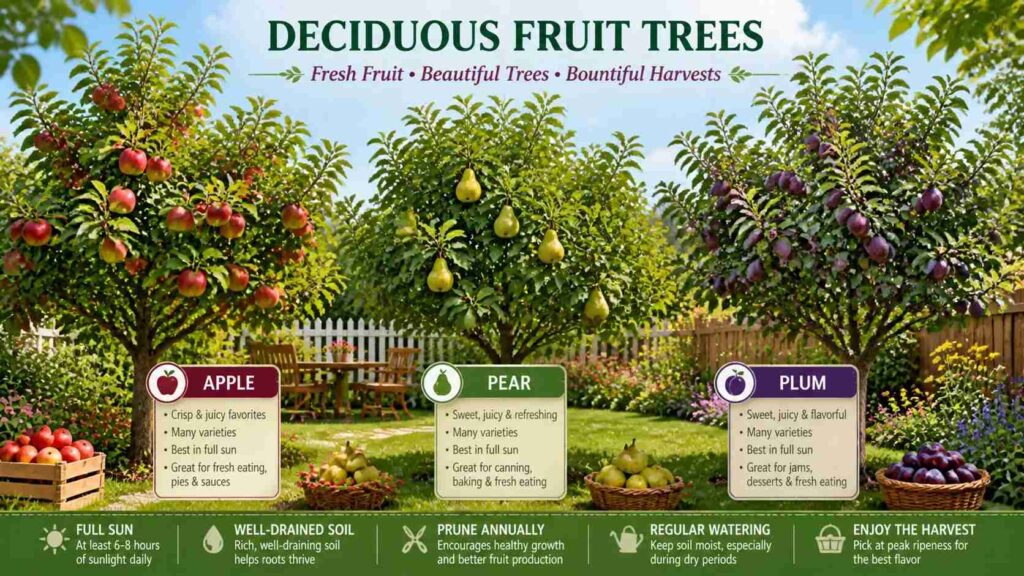
Proper planting conditions are essential for the healthy growth of deciduous trees. Most species thrive in well-drained soil with adequate nutrients and space to accommodate their root systems. Some deciduous trees prefer open areas with direct sunlight, making them excellent full sun trees, while others can tolerate shaded environments, classified as trees that grow in shade. In urban and residential settings, small shade trees Australia are often selected to provide localized cooling and greenery without overwhelming limited spaces.
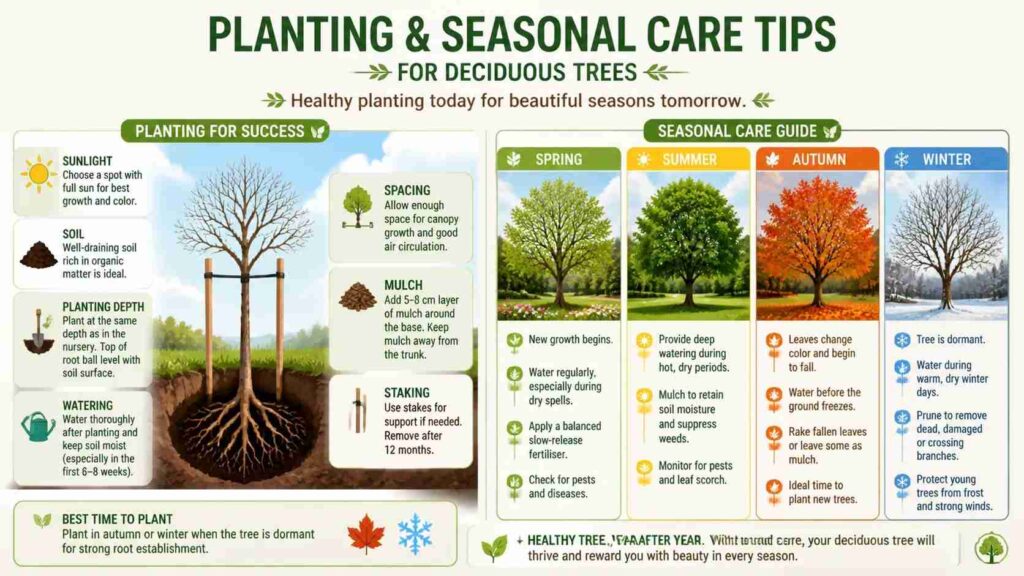
Routine maintenance ensures that deciduous trees remain healthy and visually appealing. This includes regular pruning to shape the tree and remove dead or diseased branches, proper watering, and appropriate fertilization. Selecting trees that grow fast for shade can help achieve quicker coverage in gardens and public areas. Many gardeners in Australia opt for fast growing shade trees Australia to rapidly establish shade and enhance the landscape.
Deciduous trees require specific care throughout the seasons to maintain vitality. During winter dormancy, it is important to protect young trees from frost and minimize stress. In autumn, managing fallen leaves is necessary to prevent disease and maintain aesthetics. These winter trees and autumn trees in Australia offer seasonal interest but also demand attention to ensure they continue thriving year after year.
Deciduous trees have diverse root systems that vary in type, depth, and spread. Some species develop deep taproots that anchor the tree and access water from lower soil layers, while others have wide-spreading lateral roots that stabilize the soil and support extensive canopies. Understanding the root structure is crucial when planting near buildings, sidewalks, or underground utilities to prevent potential damage and ensure long-term tree health.
Deciduous trees offer significant environmental and landscaping advantages. They provide natural shade, helping to cool urban and residential areas, while their leaves improve air quality by filtering pollutants. The fallen leaves contribute to soil fertility and soil stabilization, reducing erosion and promoting a healthier ecosystem. These benefits make deciduous trees valuable for both ecological restoration projects and ornamental landscaping.
While deciduous trees are highly beneficial, there are some warnings and precautions to consider. Certain species may produce allergens that affect sensitive individuals, and some have invasive roots that can damage nearby structures. Regular maintenance is important to manage fallen leaves, pruning, and potential pest infestations. Being aware of these considerations ensures that deciduous trees remain safe and manageable while delivering their full ecological and aesthetic benefits.
A deciduous tree is more than just a seasonal spectacle—it plays a vital role in maintaining ecological balance, supporting wildlife, improving air quality, and enhancing landscapes with shade and vibrant foliage. Their ability to adapt to different environments and contribute to soil health makes them indispensable in both urban and natural settings.
To understand how different plants compare in growth, care needs, and environmental suitability, you can explore this complete guide: The Ultimate Guide to Plant Growth, Care & Comparisons for Gardens and Indoor Spaces
Planting Australian native trees is particularly beneficial, as these species are well-suited to local climates and soils, requiring less maintenance while supporting indigenous ecosystems. By choosing the right deciduous species for your space, you can enjoy their beauty, ecological advantages, and seasonal charm for years to come. Embracing native and suitable deciduous tree options ensures a sustainable and aesthetically pleasing landscape for Australia’s unique environment.
A deciduous tree is a type of tree that sheds its leaves annually, usually in response to seasonal changes. This cycle helps the tree conserve energy and water, preparing it for new growth in the following season.
Common deciduous trees in Australia include the Lilly Pilly, Native Maple, Pencil Cedar, and various species of ornamental maples and oaks that have been introduced for landscaping purposes. These trees are valued for their seasonal foliage and ecological benefits.
Growth rates vary by species. Some are fast growing deciduous trees, establishing shade quickly in just a few years, while others grow more slowly but develop denser wood and longer lifespans. Choosing the right species depends on your landscaping goals.
Year-round care includes proper planting, watering, fertilizing, and pruning. During autumn, manage fallen leaves to prevent disease, and in winter, protect young trees from frost while they are dormant. Seasonal attention ensures healthy growth and vibrant foliage.
Ornamental deciduous trees suitable for small gardens include dwarf maples, flowering cherries, and small Australian native trees like the Native Maple. They provide color, seasonal interest, and shade without overwhelming the space.
Deciduous trees provide seasonal shade, which can reduce heat in summer while allowing sunlight in winter when their leaves are gone. Evergreen trees offer year-round shade but may block sunlight during colder months. The choice depends on your climate and landscaping needs.
Yes, many deciduous trees support local wildlife. Birds, insects, and small mammals use these trees for shelter and food, especially when the tree produces fruits or nuts. Native species are particularly effective for encouraging local biodiversity.
Deciduous trees may require seasonal leaf management, pruning, and occasional fertilization. However, their maintenance is generally straightforward, and the ecological and aesthetic benefits often outweigh the extra effort.
Common deciduous fruit trees include apples, pears, plums, peaches, and cherries. These trees provide fresh, seasonal fruit and enhance garden biodiversity, attracting pollinators and beneficial insects.