Grow Better Gardens with Smarter Plant Choices
Discover helpful guides on trees, hedges, fruit plants, edible plants, and beautiful landscape greenery.
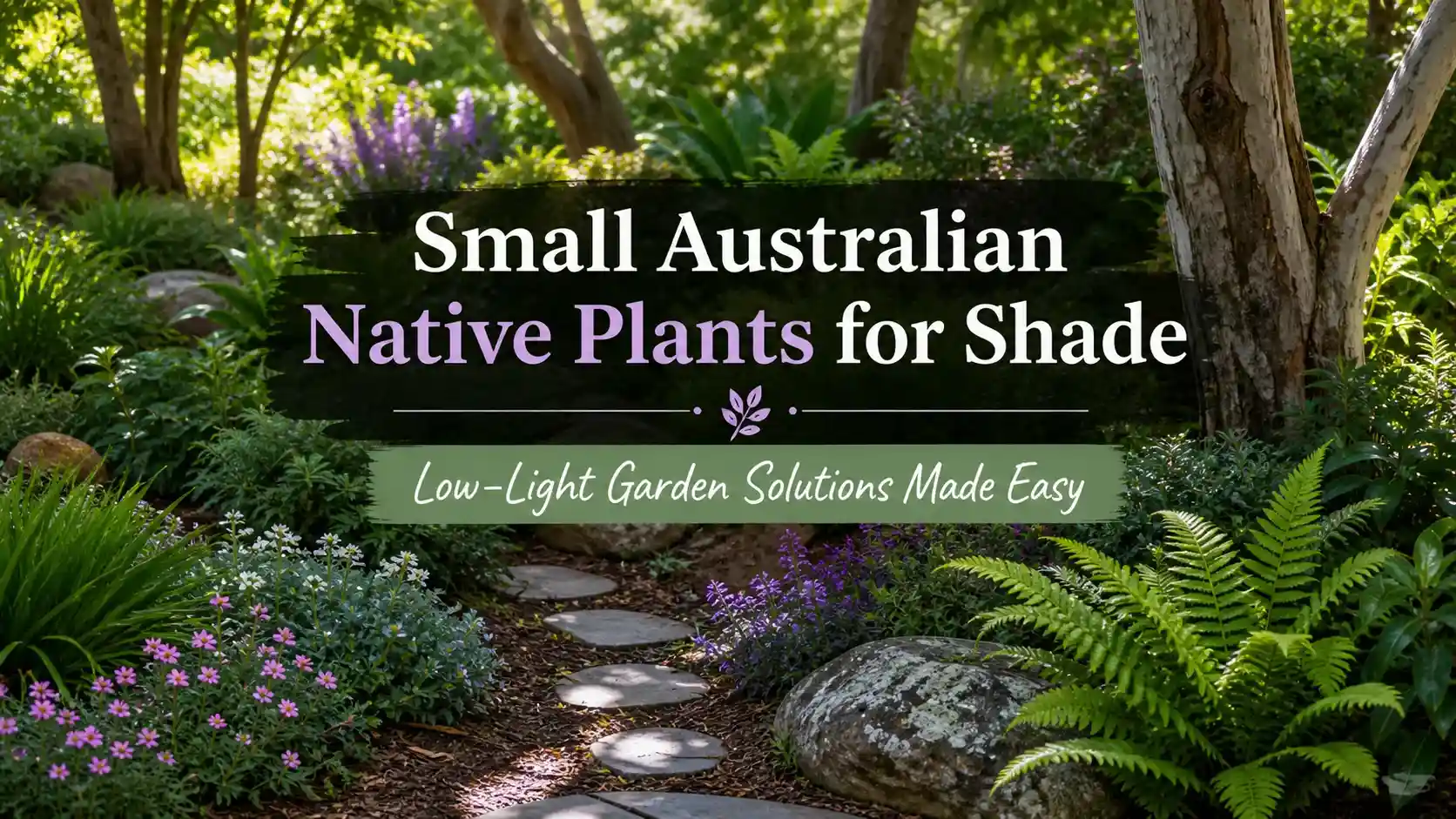
Small Australian native plants for shade are compact, low-growing species that naturally thrive in reduced sunlight conditions such as under tree canopies, beside structures, or in sheltered garden zones. These plants have adapted to environments where direct sunlight is limited, making them ideal choices for gardeners looking for plants that grow well in shade or plants that tolerate shade without compromising growth or visual appeal.
Choosing Australian native shade plants for low-light areas offers both ecological and practical advantages. Native species are already adapted to local climates, soil conditions, and seasonal variations, which makes them more resilient and easier to manage compared to non-native alternatives. They require less intervention once established and support local biodiversity, including pollinators and beneficial insects.
Small shade-loving native plants are highly versatile and can be effectively used in:
These plants provide a practical and sustainable solution for enhancing shaded outdoor spaces while maintaining a clean, structured, and natural garden aesthetic.
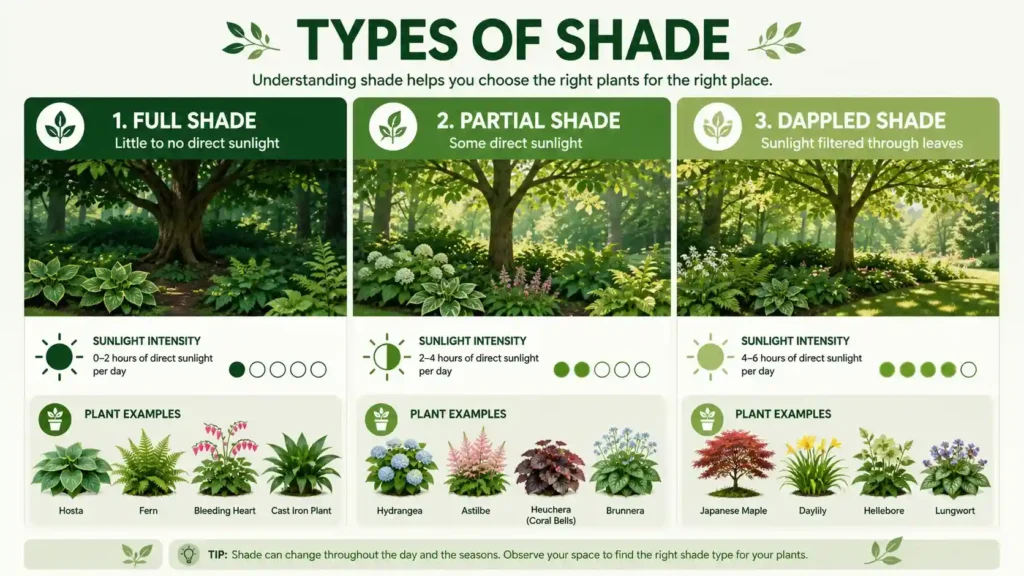
Shade in Australian gardens is not uniform. Understanding the type of shade in your space is essential for selecting the right plants and ensuring healthy growth.
Full shade refers to areas that receive little to no direct sunlight throughout the day. These spaces are typically found under dense tree canopies, along walls, or in tightly enclosed garden zones. Selecting full shade plants Australia is critical here, as only highly adapted species can thrive without direct light.
Partial shade includes areas that receive a few hours of direct sunlight, usually during the morning or late afternoon. Many plants in partial shade perform well in these conditions, benefiting from limited sun exposure while avoiding harsh midday heat.
Dappled shade occurs when sunlight filters through tree branches, creating shifting light patterns. This is one of the most favorable conditions for many natives, as it mimics natural bushland environments. A wide range of plants for part shade can grow successfully in these areas.
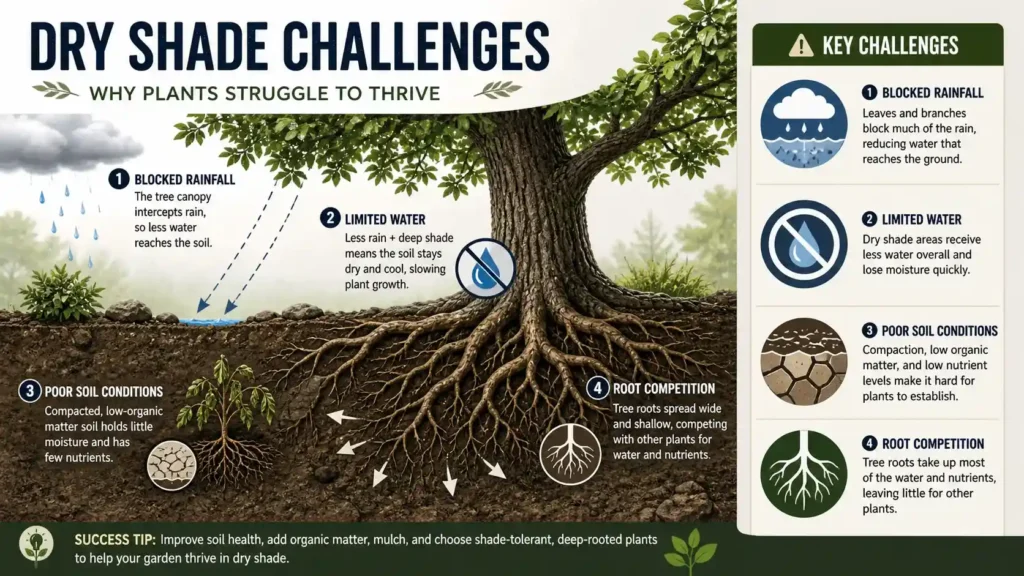
Dry shade is one of the most difficult conditions in Australian gardening. It typically occurs under established trees where dense roots absorb most of the available water, leaving the soil dry and nutrient-poor.
Dry shade planting involves selecting species that can tolerate both low light and limited moisture. These conditions are common in mature gardens, making plants for dry shade Australia essential for long-term success.
Key challenges include:
Choosing the right native plants that are adapted to these constraints ensures better establishment, reduced maintenance, and consistent performance in shaded, dry environments.
Small Australian native plants suited for shade conditions offer a combination of resilience, efficiency, and adaptability. Their natural characteristics make them ideal for challenging garden environments where light, water, and space may be limited.
These plants are highly adapted to low light plants outdoor environments, allowing them to photosynthesize efficiently even with minimal sunlight. Many originate from forest understories or shaded bushland, where filtered or indirect light is the norm. This makes them reliable choices for areas where other plants struggle to survive.
A key advantage of these natives is their ability to withstand dry conditions, especially in shaded areas with limited moisture. This is particularly important when selecting dry shade plants Australia, as these plants can handle both low water availability and reduced sunlight. Their root systems and foliage are naturally designed to conserve water and maintain health during extended dry periods.
One of the most practical benefits is their minimal care requirement. As low maintenance shade-loving plants Australia, they typically need:
This makes them ideal for gardeners seeking sustainable and time-efficient landscaping solutions.
Small Australian native shade plants are known for their controlled and compact growth, making them perfect for limited spaces. Their size and structure suit:
This compact habit ensures they do not overcrowd the space while still providing dense foliage, ground coverage, or seasonal interest.
Small Australian native shrubs are one of the most reliable choices for shaded gardens. These small Australian native shrubs are naturally adapted to filtered light and low-light environments, making them ideal shade loving bushes for understorey planting and compact landscapes. Their ability to remain healthy with minimal sunlight makes them highly effective shrubs shade tolerant for both residential and natural-style gardens.
Phebalium woombye ‘Pink’
Plectranthus parviflorus ‘Blue Spires’
These compact shrubs are often combined with layered ornamental planting inspired by Dwarf Japanese Maple: Guide to Small Maple Trees, especially in structured shade gardens where contrast and form are important.
These shrubs provide both structure and seasonal color, making them essential components when designing with shade loving bushes in Australian gardens.
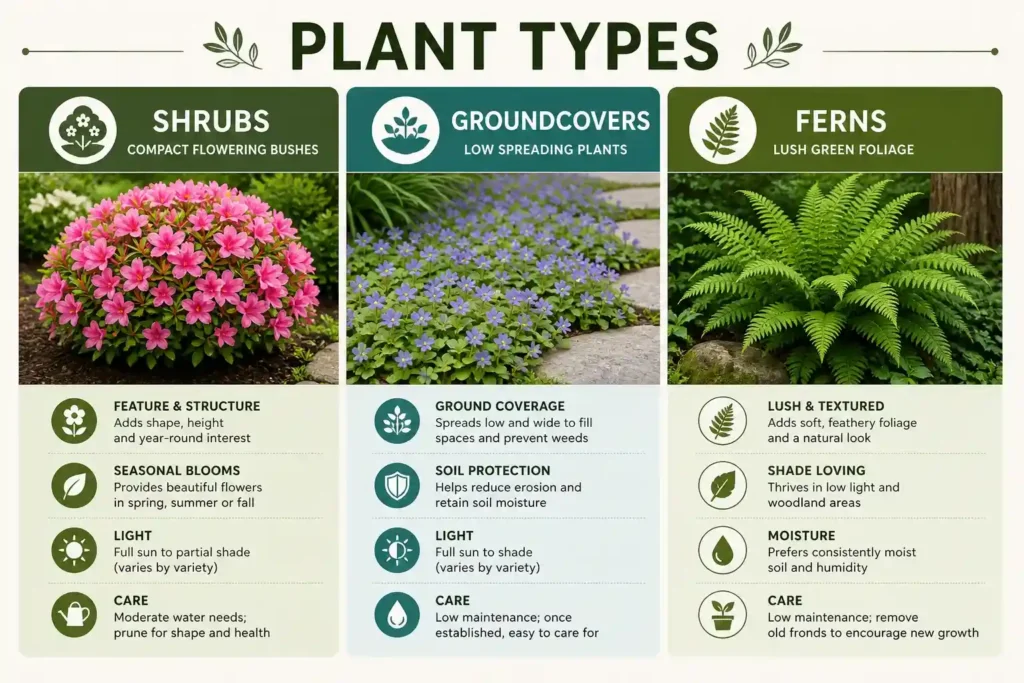
Shade-tolerant ground covers play a vital role in low-light gardens by providing dense coverage, reducing weed growth, and improving soil health. Shade loving ground covers Australia are specifically adapted to thrive beneath tree canopies and in shaded beds where sunlight is limited. These Australian native groundcovers offer both functional and aesthetic value, making them essential for sustainable garden design.
Using shade loving ground covers Australia ensures consistent ground coverage even in difficult lighting conditions, while Australian native groundcovers contribute to a more resilient, low-maintenance garden ecosystem.
In layered planting designs, they often work alongside structured ornamental grasses such as Pennstripe Pennisetum, helping create contrast between soft ground layers and upright foliage forms.
Adding flowering species is one of the most effective ways to bring life and color into low-light areas. Carefully selected flowering native shrubs Australia can thrive in reduced sunlight while still producing vibrant blooms. These flowers that grow in shade are adapted to filtered or indirect light, making them reliable options for shaded gardens.
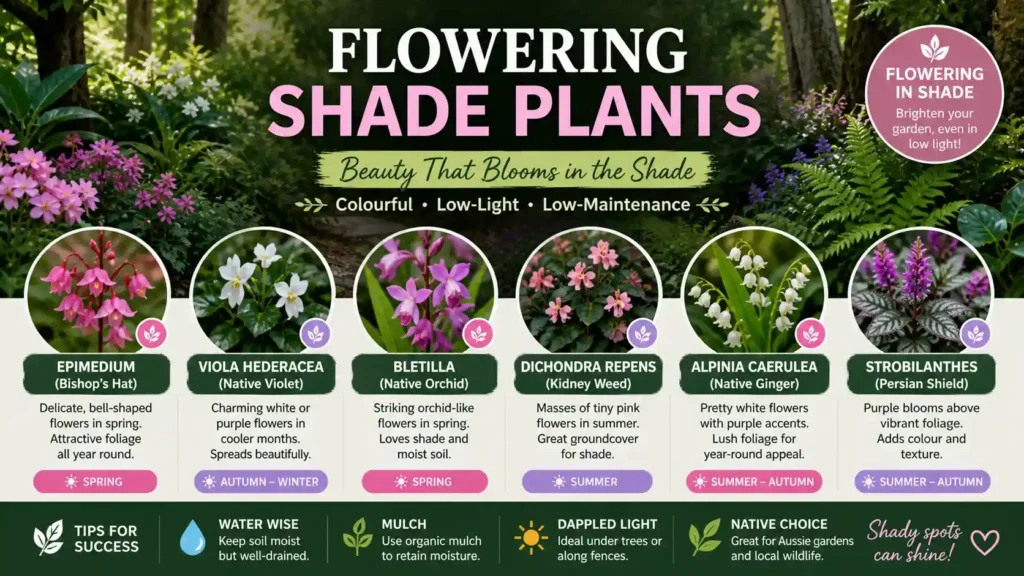
For stronger visual impact, plants with purple flowers Australia are especially effective in shaded settings. Their deeper tones stand out against green foliage and low-light backgrounds.
Using shade flowers Australia strategically allows gardeners to transform shaded areas into visually engaging spaces without relying on high sunlight exposure. These flowers that grow in shade provide both ecological benefits and strong decorative value in native garden designs.
Native ferns and foliage plants are essential for areas with very low light, where most flowering species may struggle. These plants are naturally adapted to forest understories, making them ideal plants for deep shade and environments with higher humidity levels.
An Australian native fern is one of the most reliable choices for deep shade planting. It features soft, arching fronds that create a dense and layered look, ideal for natural-style gardens.
These foliage plants are highly effective for filling gaps where other plants for deep shade may fail, offering texture, depth, and a cooling green presence in shaded landscapes.
| Plant Type | Light Requirement | Size |
Special Feature |
|
Native Shrubs |
Partial–Full Shade | Small | Flowering |
| Ground Covers | Full Shade | Low |
Soil coverage |
|
Ferns |
Deep Shade | Compact | Lush foliage |
| Flowering Natives | Partial Shade | Small |
Seasonal blooms |
Selecting the right plant for shaded areas requires careful evaluation of your garden conditions. Not all shade environments are the same, so understanding key factors helps determine what plants grow in shade successfully and ensures long-term plant health.
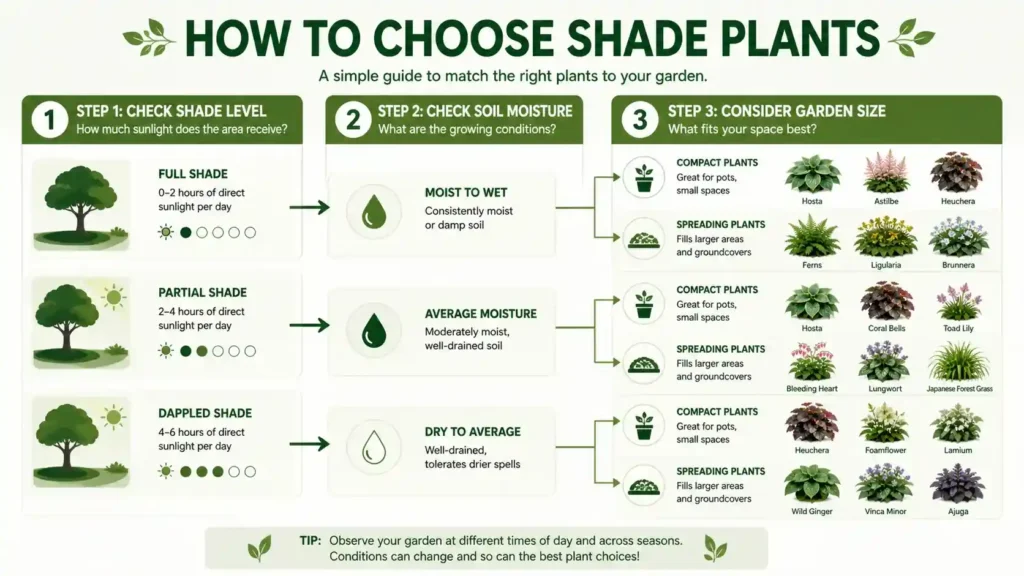
By aligning plant choice with shade level, soil condition, and available space, it becomes easier to identify what plants grow in shade effectively and select the best plants for in the shade for a balanced, low-maintenance garden.
Proper soil preparation is essential, especially when working with dry shade conditions where nutrients and moisture are limited. Improving the soil ensures better root establishment and long-term plant health.
These steps are particularly important for successful planting in dry shade areas.
Shade-loving native plants are known for their efficient water use once established. Their natural adaptation allows them to survive in environments with limited moisture.
Most native species develop strong drought tolerance, making them suitable for low-input gardens.
One of the main advantages of these plants is their low upkeep. As low maintenance shade plants, they require minimal intervention while maintaining healthy growth.
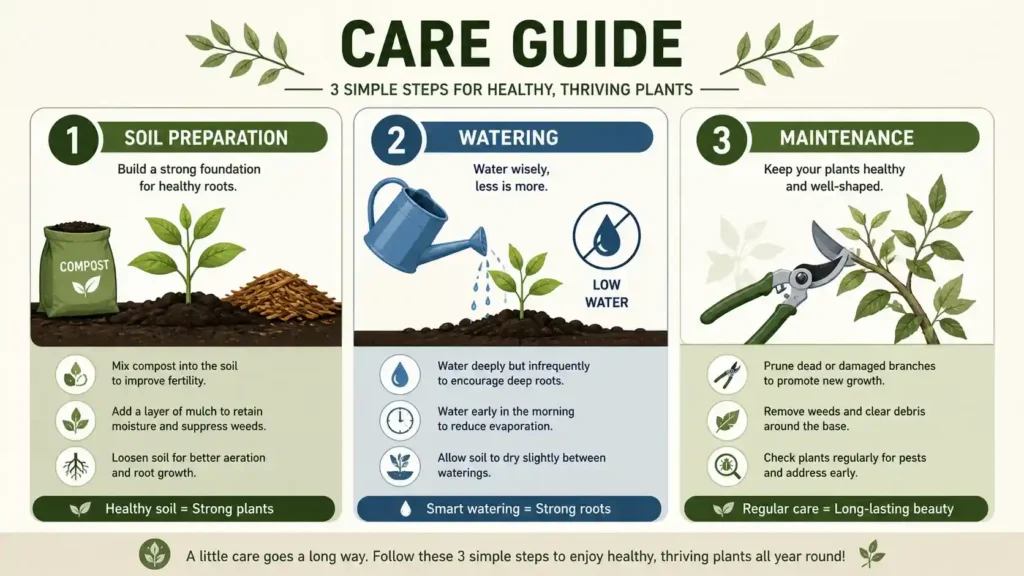
These practices ensure that shade-loving native plants remain healthy, structured, and easy to manage in long-term garden settings.
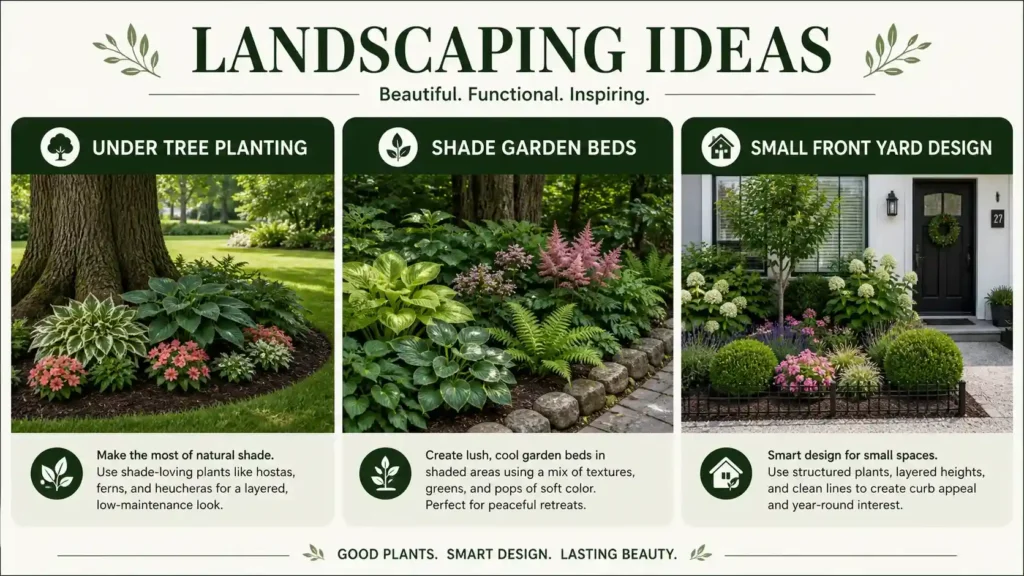
Designing with small native plants can transform low-light areas into functional and visually balanced spaces. Using the right combinations of shade garden plants helps create structure, coverage, and seasonal interest while maintaining a natural look. These shade garden ideas focus on efficiency, simplicity, and long-term sustainability.
Well-planned shade garden beds make the most of limited sunlight by layering plants based on height and spread.
These beds work best in areas with consistent shade and can be tailored for both narrow and wider garden spaces.
Understorey planting replicates natural bushland conditions by placing plants beneath taller trees or shrubs. This method is highly effective for utilizing shaded zones.
This approach creates a dense, natural look while improving soil stability and biodiversity.
For a broader understanding of how plant selection, growth conditions, and care strategies influence long-term garden success, you can explore this complete guide on The Ultimate Guide to Plant Growth, Care & Comparisons for Gardens and Indoor Spaces.
Small front yards can benefit significantly from structured planting using shade-tolerant natives.
These shade garden ideas help maximize limited space while ensuring that plants for shady areas remain easy to manage and visually appealing.
Avoiding common planting errors is essential for maintaining healthy and long-lasting shade gardens. Even hardy native species can struggle if basic conditions are not properly managed.
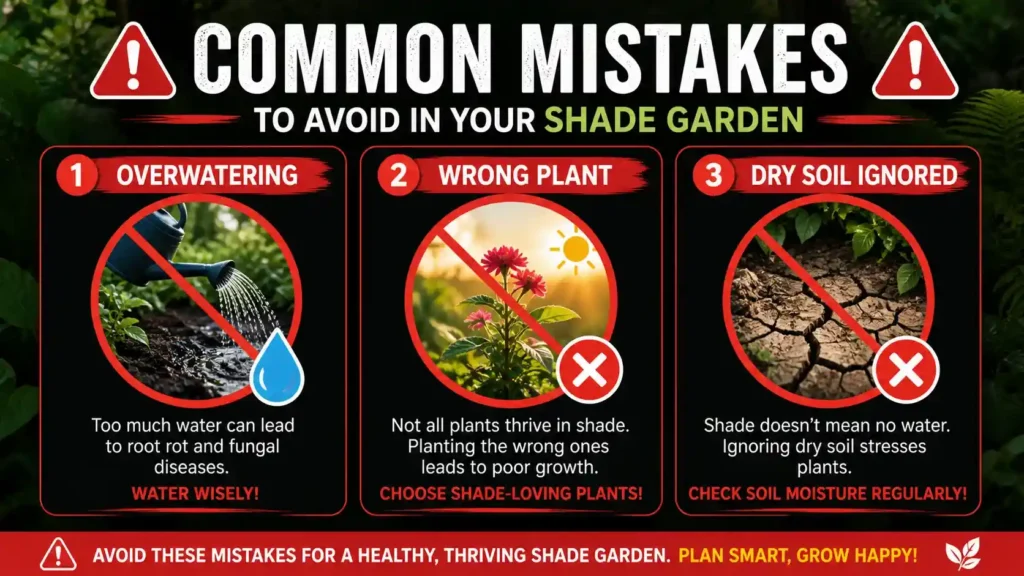
By avoiding these mistakes, gardeners can ensure better plant performance, reduced maintenance, and a more successful shade garden overall.
Small Australian native plants for shade offer a practical and sustainable solution for low-light garden areas. Their natural adaptability to reduced sunlight, strong drought tolerance, and compact growth make them ideal for challenging conditions such as under trees, shaded beds, and small spaces. These plants also support local ecosystems while reducing the need for frequent watering, fertilizing, and maintenance.
Using these natives in garden design helps create eco-friendly landscapes that are both functional and visually balanced. Their resilience and low upkeep make them especially suitable for modern gardens focused on efficiency and sustainability.
Start building your shade garden with native plants to achieve a low-maintenance, climate-adapted, and long-lasting outdoor space.
The best options for full shade include compact shrubs, native groundcovers, and ferns that are naturally adapted to low-light environments. Suitable choices often include shade-tolerant shrubs, dense ground covers, and Australian native fern varieties. These plants perform well without direct sunlight and maintain healthy growth in consistently shaded areas.
Yes, many native species are well adapted to dry shade. These plants are specifically suited for environments where both sunlight and moisture are limited. Plants for dry shade Australia are typically drought-tolerant and can handle root competition under trees, making them ideal for challenging garden spots.
Several flowering native shrubs Australia can bloom successfully in partial shade conditions. These include species that produce soft pink, white, or even purple blooms. Many flowers that grow in shade are adapted to filtered light and still provide seasonal color without requiring full sun exposure.
Yes, most low maintenance shade-loving plants Australia require minimal care once established. They typically need less watering, limited fertilization, and only occasional pruning. Their natural adaptability reduces the need for constant upkeep, making them ideal for easy-care gardens.
Plants that grow best under trees are those that tolerate both shade and root competition. These include shade loving ground covers Australia, compact shrubs, and hardy ferns. These plants are effective for filling understorey spaces and maintaining soil stability in shaded environments.
Most Australian native plants do not require heavy fertilization. They are adapted to nutrient-poor soils, so excessive fertilizer can harm them. If needed, use low-phosphorus fertilizers in small amounts to support healthy growth without damaging the plant.
Improving soil in shaded areas involves adding organic matter such as compost, using mulch to retain moisture, and loosening compacted soil. This is especially important in dry shade conditions where soil quality and moisture levels are often limited.
Yes, many small Australian native shade plants are suitable for compact gardens and containers. Their controlled growth habit makes them ideal for narrow beds, courtyards, and pots, provided they receive appropriate shade and well-draining soil.